Unleashing Power: Top Performance Upgrades for Custom-Built Engines
Personalized engine constructions necessitate a strategic blend of power enhancements to truly unleash potential. Essential upgrades can greatly boost performance and results. From perfecting fuel delivery systems to selecting the right camshaft, every choice influences general efficiency. Comprehending these elements is fundamental. As hobbyists investigate these improvements, the question remains: which upgrades will deliver the most noticeable results? The solutions rest in a thorough analysis of particular components and their capabilities.
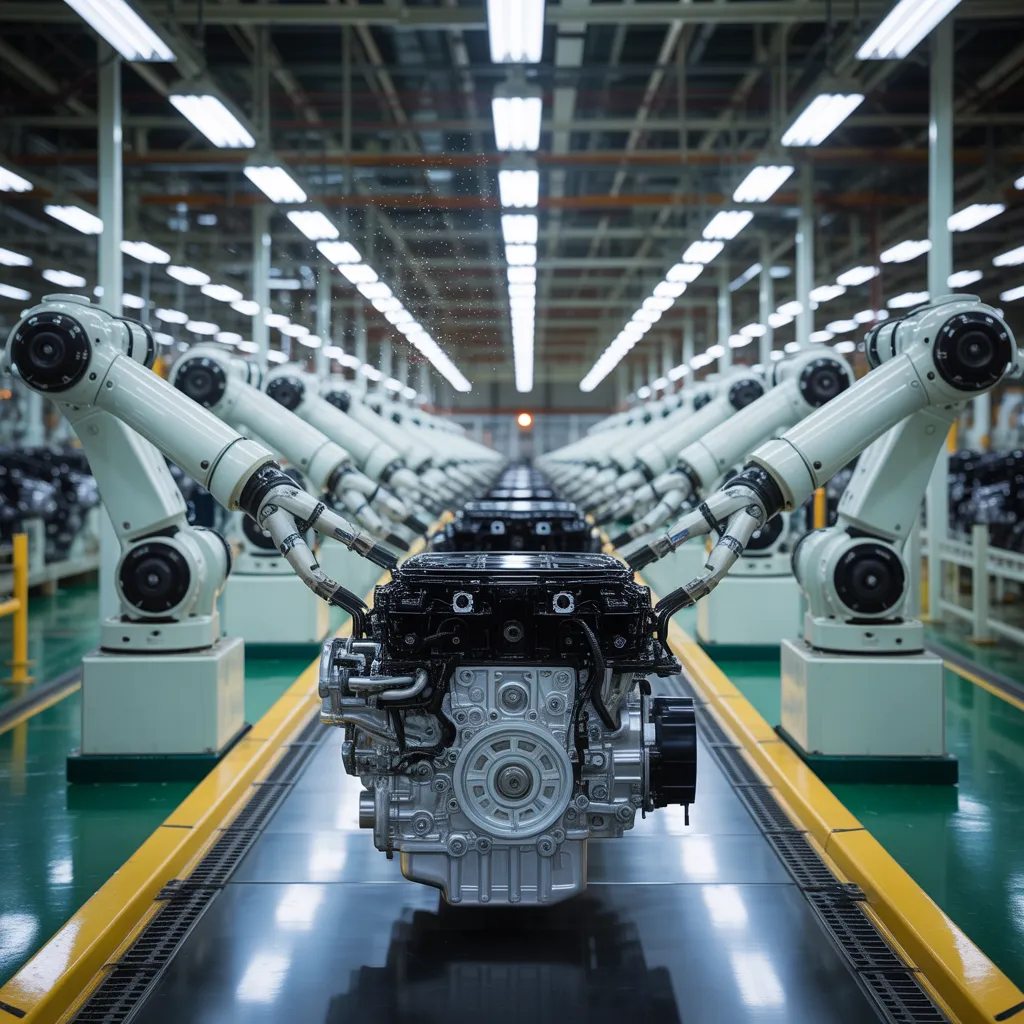
How to Understand Engine Performance Fundamentals
Understanding core engine performance principles is essential for individuals aiming to build a custom engine upgrade. Key components include air and fuel mixture, combustion effectiveness, and exhaust gas flow, all of which considerably influence power output. The fuel-to-air ratio must be carefully calibrated to secure effective combustion, as an excess or deficiency of fuel can hinder performance. Additionally, ignition timing plays a critical role in optimizing power output; poorly calibrated timing can result in knocking or reduced efficiency.
Another key consideration is the displacement of the engine, which directly affects its overall power capacity. High-displacement engines generally generate more power, but modifications and tuning can boost performance in more compact engines as well. Additionally, recognizing the importance of engine cooling and lubrication systems helps maintain top-level performance and engine lifespan. Grasping these essential basics establishes a solid foundation for effective upgrades, resulting in a reliable and high-performing custom engine.
Leading Performance Improvements for Turbochargers
When looking into upgrades for turbochargers, hobbyists commonly seek out modifications that enhance airflow and improve overall performance. One notable upgrade is a high-capacity compressor wheel, which raises air intake volume and refines boost responsiveness. Moreover, upgrading to a high-flow intercooler assists in sustaining optimal intake temperatures, improving performance while lowering the likelihood of engine knock.
One other critical upgrade is the integration of a premium wastegate. This component provides better regulation of boost levels, leading to improved power output. Moreover, employing a high-performance exhaust manifold can enhance exhaust flow, decreasing turbo lag and increasing overall turbocharger efficiency.
Ultimately, installing a turbo heat blanket can work to retain heat in the turbo system, resulting in improved spool response and improved performance. By concentrating on these modifications, automotive enthusiasts can significantly improve their turbocharger's overall output, leading to a highly responsive and powerful engine configuration.
Enhance Your Fuel System for Optimal Efficiency
Upgrading the fuel system is vital for obtaining maximum efficiency in high-performance engine configurations. A top-tier fuel pump provides a uniform and ample supply of fuel, which is important for maximum engine efficiency. In addition, high-flow fuel injectors can distribute higher fuel quantities, addressing increased air intake and maintaining the optimal air-fuel ratio. Integrating a fuel pressure regulator strengthens system stability, allowing for precise control over fuel delivery throughout varying engine demands.
In addition, incorporating upgraded fuel filters eliminates restrictions, guaranteeing uncontaminated fuel reaches the engine. This enhances performance while extending engine lifespan. Utilizing a return-based fuel delivery system can additionally enhance performance by maintaining consistent pressure across all operating conditions. By carefully selecting and installing these components, builders can unlock the complete potential of their custom engines, resulting in improved power output and greater overall efficiency.
Enhance Airflow With Exhaust Upgrades
Enhancing the exhaust system is vital for boosting engine performance by optimizing airflow. High-performance exhaust systems and header upgrades play crucial roles in reducing back pressure and boosting exhaust velocity. These improvements not only optimize power output but also contribute to a more dynamic engine sound.
Superior Exhaust Systems
High-performance exhaust systems are critical for optimizing engine performance and power delivery for custom performance builds. These systems minimize back pressure, allowing for improved exhaust gas flow, which boosts overall engine output. Through the use of lightweight components discover details on and wider diameter piping, high-output exhausts decrease weight while supporting optimal airflow. Furthermore, they commonly include mandrel bends, which eliminate restrictions and turbulence inside the system. This optimized design not only contributes to increased horsepower and torque but also delivers a more aggressive tone that many enthusiasts seek. Additionally, high-performance exhaust systems can enhance engine cooling by dissipating heat more effectively, boosting dependability in high-stress scenarios. In summary, these upgrades are essential for anyone seeking to unleash their engine's full potential.
Header Upgrade Advantages
A proven method for boosting engine performance is through performance header installations, which greatly boost airflow in conjunction with exhaust modifications. By upgrading factory headers to high-performance options, the engine can expel exhaust gases more efficiently. This reduction in back pressure allows for improved engine breathing, resulting in increased horsepower and torque.
In addition, performance headers are designed with larger diameter tubing and smoother bends, which additionally maximizes exhaust flow. The materials utilized, such as stainless steel, ensure long-lasting performance and heat resistance. When all is said and done, header upgrades not only optimize engine efficiency but also improve the vehicle's exhaust note, providing a deeper and more aggressive tone. This set of improvements makes header upgrades an essential factor for any performance-focused engine build.
Optimize Your Build With Performance Camshafts
Selecting the correct camshaft is critical for maximizing engine output. Recognizing the principles of lift and duration can significantly determine how an engine responds and performs. By adjusting these factors, technicians can enhance horsepower and torque to suit particular driving demands.
Finding The Ideal Camshaft
When it comes to enhancing the performance of an engine, selecting the correct camshaft is vital for reaching desired performance outcomes and maximizing overall performance. A properly selected camshaft can greatly affect engine behavior, affecting factors such as throttle response, torque output, and maximum power output. Engine builders must evaluate their performance goals, whether targeting greater low-range torque or high-end horsepower, as varying camshaft designs serve different requirements. Integration with installed engine hardware, such as the intake and exhaust systems, is also essential. Additionally, knowing the engine's operating range aids in choosing a camshaft that aligns with the desired purpose, be it road use or competitive racing. At the end of the day, the right camshaft can be a transformative element in a bespoke engine build.
Understanding Lift And Duration
Understanding duration and lift is vital for maximizing camshaft performance in custom-built engines. Lift is defined as the distance the intake or exhaust valve is opened, directly affecting the engine's airflow. A higher lift facilitates increased air and fuel intake, boosting power output. Duration, by contrast, measures the time the valve stays open during the engine cycle. Extended duration can enhance performance at elevated RPMs but may sacrifice low-end torque. Achieving the proper balance of lift and duration is essential; excessive lift can cause valve float, while insufficient duration can restrict engine breathing. Tailoring these specifications based on targeted performance requirements ensures that the engine functions efficiently and effectively, maximizing its overall performance capacity.
What to Look for When Selecting the Best Engine Management System
What are the best ways to identify the most suitable engine control system for a bespoke engine setup? Choosing the right engine management system (EMS) entails several essential considerations. First, the intended application of the engine should be evaluated; whether for street use, racing, or off-road conditions influences the selection. Integration with current components, such as detection and actuation components, is essential to guarantee seamless integration.
Subsequently, examining the performance tuning features is essential. A user-friendly interface and comprehensive data logging features can significantly improve overall performance optimization. Furthermore, the availability of support networks and community tools can help facilitate optimization and troubleshooting.
Financial limitations also factor in; higher-end systems offer advanced features but may exceed financial limitations. Additionally, reviewing user feedback and expert recommendations can provide insights into reliability and performance. By weighing these factors, one can identify the most suitable EMS for their custom engine build, maximizing performance and efficiency.
Common Questions and Answers
What Tools Do You Need for Custom Engine Builds?
Essential instruments for custom engine builds include a calibrated torque wrench, motor hoist, precision measuring tools, socket sets, assorted screwdrivers, and a well-stocked tool kit. These tools provide accuracy, efficiency, and safety during the assembly process.
How Do I Calculate My Engine's Horsepower Potential?
To calculate a motor's horsepower potential, one must analyze compression ratios, displacement, fuel type, and airflow. Furthermore, dynamometer testing is able to deliver accurate measurements while pinpointing performance limitations, steering future upgrades and modifications efficiently.
What Are the Signs of Engine Wear During Upgrades?
Indicators of wear on the engine when performing upgrades include strange sounds, diminished performance, increased oil consumption, noticeable leaks, and abnormal smoke. Observing these warning signs can help identify potential issues before they worsen and impact general engine operation.
Can Upgrades Be Performed Without Professional Help?
Upgrades can be carried out without expert assistance, given that the individual has the necessary knowledge, tools, and experience. That said, caution is strongly recommended, as improper installations may lead to costly errors or potential damage to the engine.
What Is the Typical Cost of a Custom Engine Build?
The standard cost of a engine build project usually sits anywhere from $3,000 to $10,000, based on parts quality, specifications, and labor costs. Enthusiasts should budget accordingly to reach their performance goals and ensure reliability.